- Filmcharlie Newsletter
- Posts
- The Evolution of Superhero Films: From Comic Panels to Blockbusters
The Evolution of Superhero Films: From Comic Panels to Blockbusters
A Deep Dive Into the Superhero Phenomenon

Charlie Films
January 26, 2025
Dear Film Enthusiast,
From humble beginnings as inked heroes in comic books to billion-dollar box office juggernauts, superhero films have evolved dramatically over the decades. These cinematic adventures have become a global cultural phenomenon, reflecting societal changes, pushing technological boundaries, and redefining the way we tell stories on the big screen.
Join us as we explore the fascinating evolution of superhero films, from their early days to the sprawling cinematic universes we adore today.
The Origins: Serial Beginnings (1940s-1960s)
Superhero films were born in the early 1940s with serialized adventures like The Adventures of Captain Marvel (1941) and Batman and Robin (1949). These black-and-white productions focused on straightforward storytelling and practical effects, aiming to capture the essence of comic book heroes.

While charming, these films were constrained by budget and technology, limiting their ability to bring larger-than-life stories to the screen.
The First Big Leap: The Superman Era (1978-1989)
The release of Superman: The Movie (1978), directed by Richard Donner, marked a turning point. Starring Christopher Reeve, this film brought comic book heroes into mainstream cinema with a sense of gravitas and wonder.
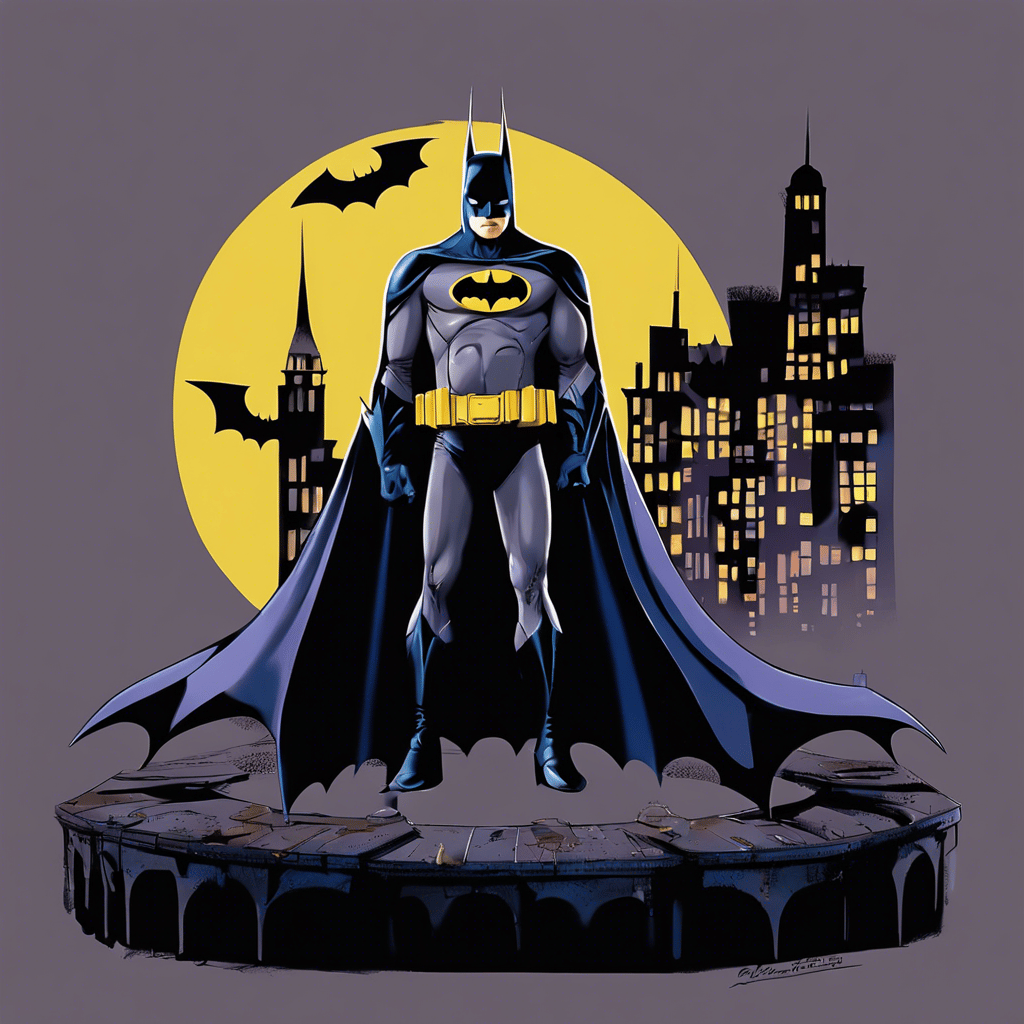
For the first time, audiences were invited to “believe a man can fly,” thanks to groundbreaking visual effects and a heartfelt performance by Reeve. This era culminated in Tim Burton’s Batman (1989), which introduced a darker, gothic tone to superhero storytelling, solidifying the genre’s potential as serious cinema.
The Rise of the Blockbuster (2000s)
The 2000s ushered in a new age of superhero films, starting with Bryan Singer’s X-Men (2000) and Sam Raimi’s Spider-Man (2002). These movies expanded the genre by combining engaging character arcs with action-packed storytelling.
The massive success of Spider-Man ($821 million globally) proved that superheroes could dominate the box office.
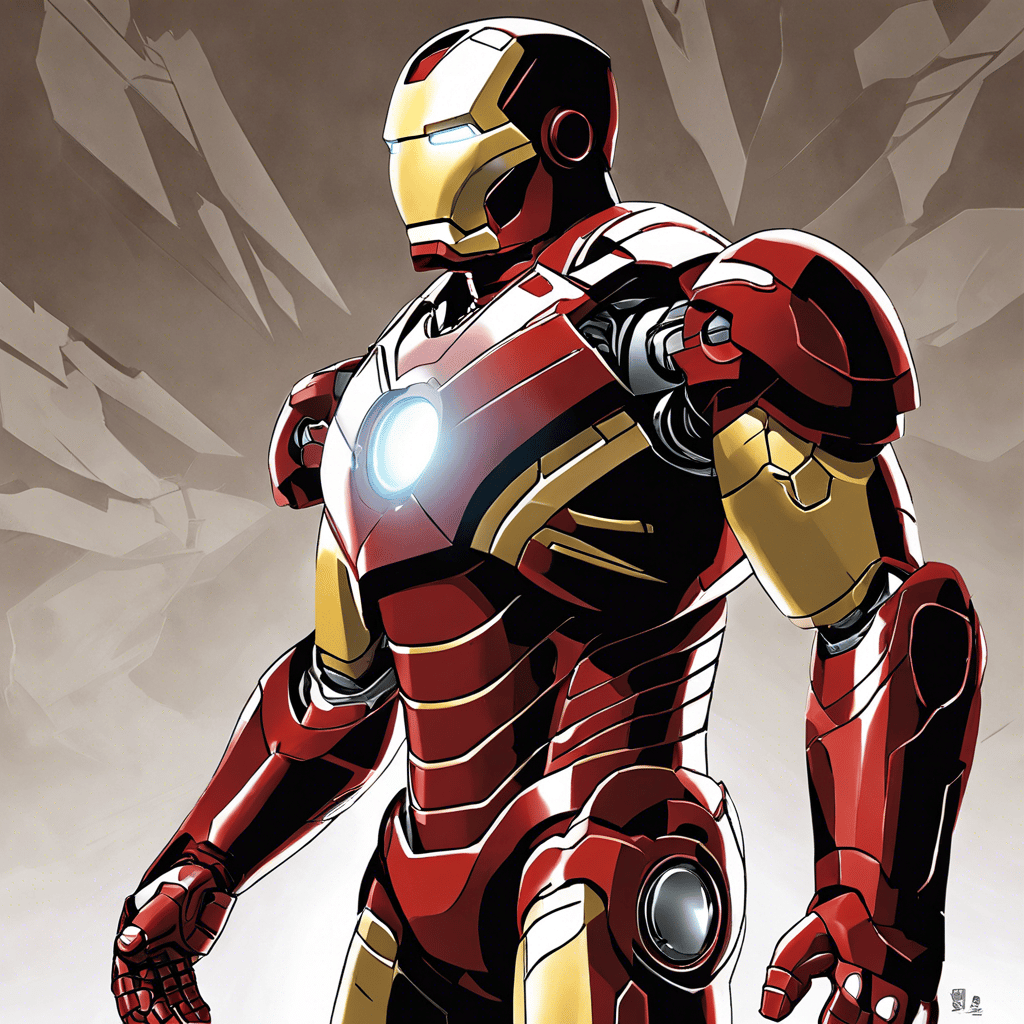
However, the biggest game-changer was Iron Man (2008), which laid the foundation for the Marvel Cinematic Universe (MCU). Marvel Studios pioneered the concept of interconnected films, culminating in ensemble hits like The Avengers (2012).
The Golden Age: Cinematic Universes and Groundbreaking Diversity (2010s)
The 2010s saw the superhero genre dominate Hollywood like never before. Key milestones include:
The Marvel Cinematic Universe (MCU): From Iron Man to Avengers: Endgame (2019), the MCU became a cultural juggernaut, delivering 23 interconnected films in just over a decade.
The Dark Knight Trilogy: Christopher Nolan’s trilogy redefined the genre with its gritty realism and psychological depth, winning Heath Ledger an Oscar for his performance as The Joker.
Wonder Woman (2017) and Black Panther (2018): These films broke barriers by showcasing diverse heroes, empowering women and minorities. Both were critical and commercial successes, proving that superhero stories resonate universally.
Superhero Films Today: A New Horizon
In the 2020s, the superhero genre continues to evolve:
Streaming Platforms: Disney+, Netflix, and others have become platforms for superhero spin-offs like WandaVision and The Boys. These shows allow for deeper character development and storytelling.
Meta Commentary: Films like Deadpool and The Suicide Squad have embraced humor, irreverence, and self-awareness, offering fresh takes on the genre.
Diverse Voices: With projects like Shang-Chi and Ms. Marvel, the genre now embraces global audiences by highlighting heroes from varied cultural backgrounds.
The Debate: Are Superhero Films Saturated?
Despite their success, some argue that superhero films dominate Hollywood at the expense of other genres. Directors like Martin Scorsese have criticized them for prioritizing spectacle over substance.
However, the ongoing popularity of films like Spider-Man: No Way Home (2021) and The Batman (2022) suggests that audiences still crave these larger-than-life stories when done right.
What’s Next for Superhero Films?
The future looks promising:
Multiverses: Films like Doctor Strange in the Multiverse of Madness and The Flash embrace multiverse storytelling, blending characters and storylines from different dimensions.
AI and Virtual Production: Advancements in CGI and virtual production, like those seen in The Mandalorian, will revolutionize the way superhero films are made.
Smaller-Scale Stories: As seen in Joker (2019) and Logan (2017), there’s growing interest in intimate, character-driven superhero films that break away from traditional formulas.
Why We Love Superhero Films
At their core, superhero films remind us of our shared humanity. These stories celebrate courage, resilience, and hope, inspiring us to rise above our limitations and make a difference in the world.
What’s Your Favorite Superhero Film?
We’d love to hear your thoughts! Reply to this email and let us know which superhero film or moment has left the biggest impact on you.
Stay tuned for next week’s issue, where we’ll explore Underrated Thrillers You Might Have Missed.
Until then, keep dreaming, keep believing.
Warm regards,
The Film Chronicles Team
P.S. Follow us on Instagram [@Filmcharlie] for daily movie trivia, reviews, and updates.